September 9, 2026
The moments following a car accident can be stressful and confusing. When it is safe to do so, preserving relevant information from the scene can help create a clearer record of what happened. Photographs, videos, witness information, official documentation, and medical records may all provide useful context during an insurance claim or legal matter. A personal injury lawyer may also review relevant evidence when evaluating questions surrounding an accident.
Important Scene Documentation
Capture Photographic Evidence
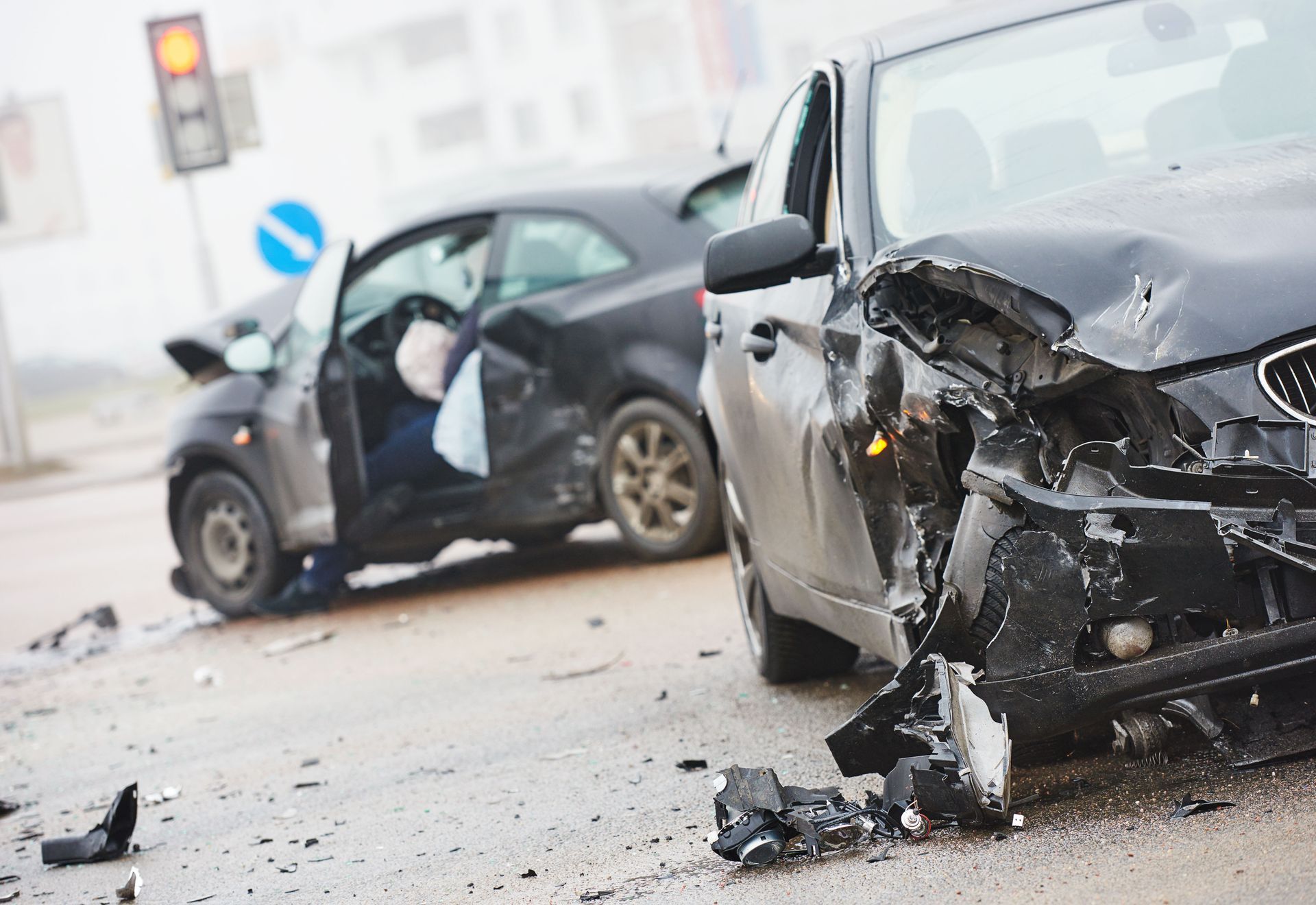
Photographs can help preserve details from the accident scene for later review. When it is safe to take pictures, consider documenting the positions of the vehicles, visible damage, road conditions, traffic signs, signals, and other details about the collision. Taking photographs from multiple angles may help provide a more complete record of the scene.
Conditions can change quickly after an accident. Vehicles may be moved, debris may be cleared, and weather conditions may change. Clear photographs can preserve details that may later be useful when the circumstances of the collision, liability, or resulting damages are reviewed.
According to Consumer Shield, nearly 6 million car accidents occur in the United States per year. This statistic highlights how frequently drivers may find themselves navigating the aftermath of a collision. Photographic documentation can provide a useful record of conditions immediately following an accident and may help preserve details for later review.
Record Video Footage
Video footage can supplement photographs by preserving additional details from the accident scene. When it is safe to do so, a video may capture the surrounding area, vehicle damage, road conditions, traffic signals, and other visible circumstances that could provide context about the collision. This footage may provide another source of information when an accident is later reviewed.
Unlike a written description, video can preserve visual and audio details as they existed at the time of recording. Identifying visible landmarks or other relevant features of the location may also help provide context when the footage is reviewed later. These details may be useful alongside other records from the scene.
Videos can provide useful information during an investigation into how an accident occurred. When available, video footage may complement photographs, witness information, and other documentation collected after a collision. A personal injury lawyer may consider this information alongside other available evidence when reviewing an accident.
Secure Witness Information
Witnesses may provide information about events that the drivers involved did not observe. Speaking with witnesses while their recollections are recent may help preserve the observations of the accident. If someone saw the collision, obtaining their name and available contact information can make it possible to follow up if additional information is needed.
Witness accounts can provide perspectives from individuals who observed the accident from outside the vehicles involved. Witness observations may become relevant if questions arise later about how the collision occurred or who may have been responsible. Recording these accounts can help preserve details that might otherwise be difficult to recall.
Recording available witness information can help create a more complete record of the details about the accident. When combined with photographs, videos, and other documentation, witness accounts may provide additional context during an insurance claim or legal evaluation. A personal injury lawyer may review witness information when investigating questions surrounding liability.
Relevant Information Collection
Exchange Driver Information
After an accident, collecting identifying and insurance information for the drivers involved can help keep relevant details organized for later communication. This information may include names, contact details, insurance information, vehicle registration information, and details about the vehicles involved. Recording these details can help maintain a clear record of the parties involved in the collision.
Recording information carefully can help maintain a clearer record of the parties and vehicles involved in the collision. If possible, review the information for accuracy before leaving the scene. Organized information can help reduce confusion when reviewing accident-related records later.
Keeping these details organized provides a useful reference if questions arise during an insurance claim or legal matter. This information can also help distinguish the individuals and vehicles involved when multiple parties are present. A personal injury lawyer may review this information alongside other records related to the collision.
Gather Passenger Details
Passengers may have observed details that differ from what the drivers saw during the collision. Recording the names and available contact information of passengers can help identify individuals who may have information about the accident. Passenger observations may provide additional context about events surrounding the collision.
Passengers may also provide relevant observations about events immediately before, during, or after the collision. Their accounts can offer additional information when the circumstances of an accident are being evaluated. Preserving this information can help maintain a more complete record of the incident.
Including passenger information in your accident documentation can help create a more complete record of everyone involved. As with other evidence, preserving this information soon after an accident may make it easier to reference later. These details can be kept with other records related to the collision.
Identify Responding Law Enforcement
If law enforcement responds to the accident, noting the relevant agency and report information can help identify official documentation associated with the incident. Depending on the circumstances and local procedures, a police report may contain information recorded by responding officers. Keeping track of this information can make it easier to locate relevant records later.
The information included in an official accident report can vary based on the circumstances of the collision and the responding agency's reporting procedures. When available, keeping track of report information can help identify the relevant documentation. Official records may provide additional context when an accident is reviewed.
Official records may become part of the broader collection of information reviewed during an insurance claim or legal matter. They can be organized alongside photographs, videos, witness information, and other accident-related records. A personal injury lawyer may review available official documentation when evaluating the circumstances of an accident.
Preserve Witness Contact Information
Gathering a witness's name and available contact information can make it easier to follow up if additional information is needed later. If a witness is willing to share what they observed, recording their account accurately can help preserve information about the accident. This information can be stored with other documentation from the scene.
Witness accounts can provide perspectives from individuals who observed the accident from outside the vehicles involved. Witness observations may help provide additional context when there are questions about the sequence of events. Each account may offer information that contributes to a broader understanding of the collision.
Medical Documentation Benefits
Record On-Scene Medical Evaluations
If medical personnel provide care at the scene, keeping track of the treatment received and the responding providers may help preserve information about the immediate aftermath of the accident. Records created during an initial medical evaluation may document injuries or symptoms identified shortly after the collision. This documentation can help establish a chronological record of accident-related care.
When emergency services respond, noting the relevant agency or report information can help identify records associated with the response. Medical documentation from the period immediately following an accident can also help establish a chronological record of accident-related care. Keeping these records organized may make them easier to reference later.
For individuals dealing with injuries or legal questions after a car accident, understanding their available options can be an important part of moving forward. Smith Giles, PLLC Attorneys at Law represents clients in car wreck and personal injury matters involving liability, insurance coverage, and accident-related damages. Learn more about how the firm can assist with your case.